Our History

Over a Century of
Engineering Excellence

mg-2441

Founded in 1920 as the British Electrical and Allied Industries Research Association, our organisation has been at the forefront of British engineering for more than 100 years.

Timeline

From wartime innovation to pioneering research, and from industrial leadership to charitable endeavour, our history reflects the evolution of UK engineering itself.

1920

Foundation

logo
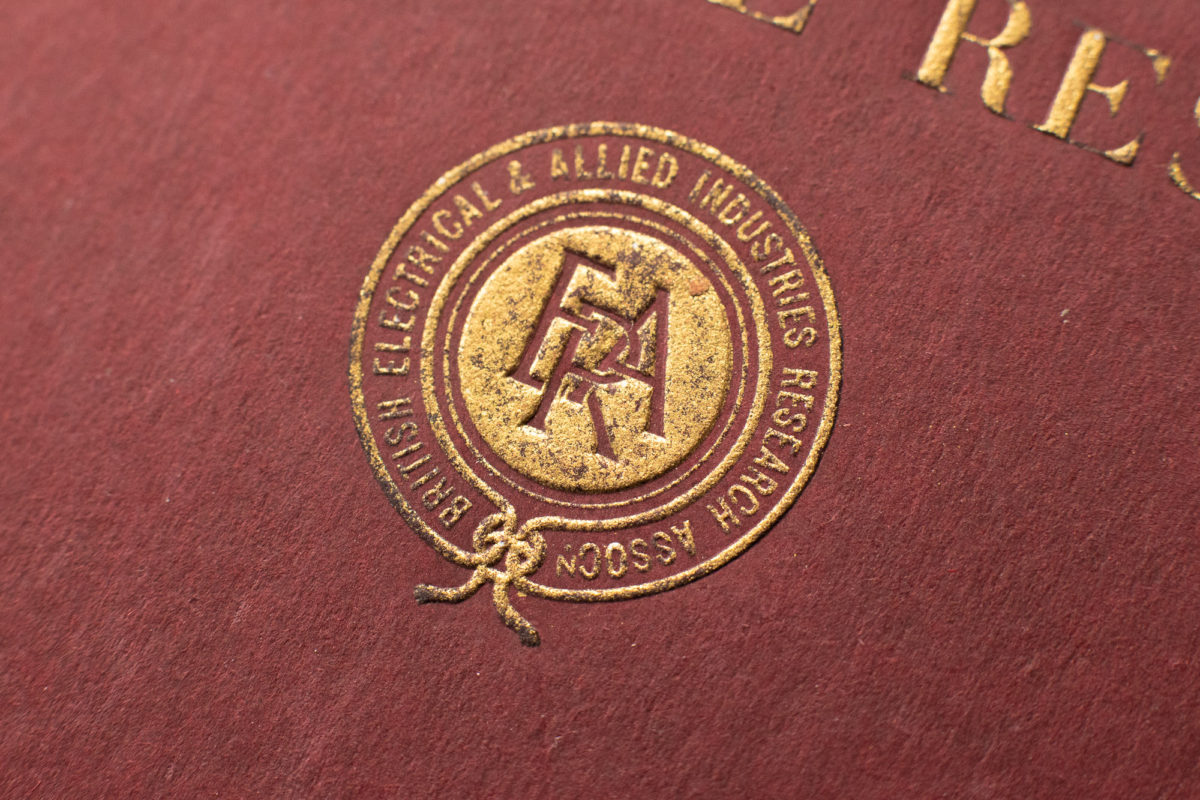
First known ERA logo

The British Electrical and Allied Industries Research Association was established in 1920 and quickly became known as the Electrical Research Association (ERA). It was one of the first successful cooperative industrial research associations, unique in having support from manufacturers, electricity suppliers, and users of electrical products alike.

1924
mg-2441

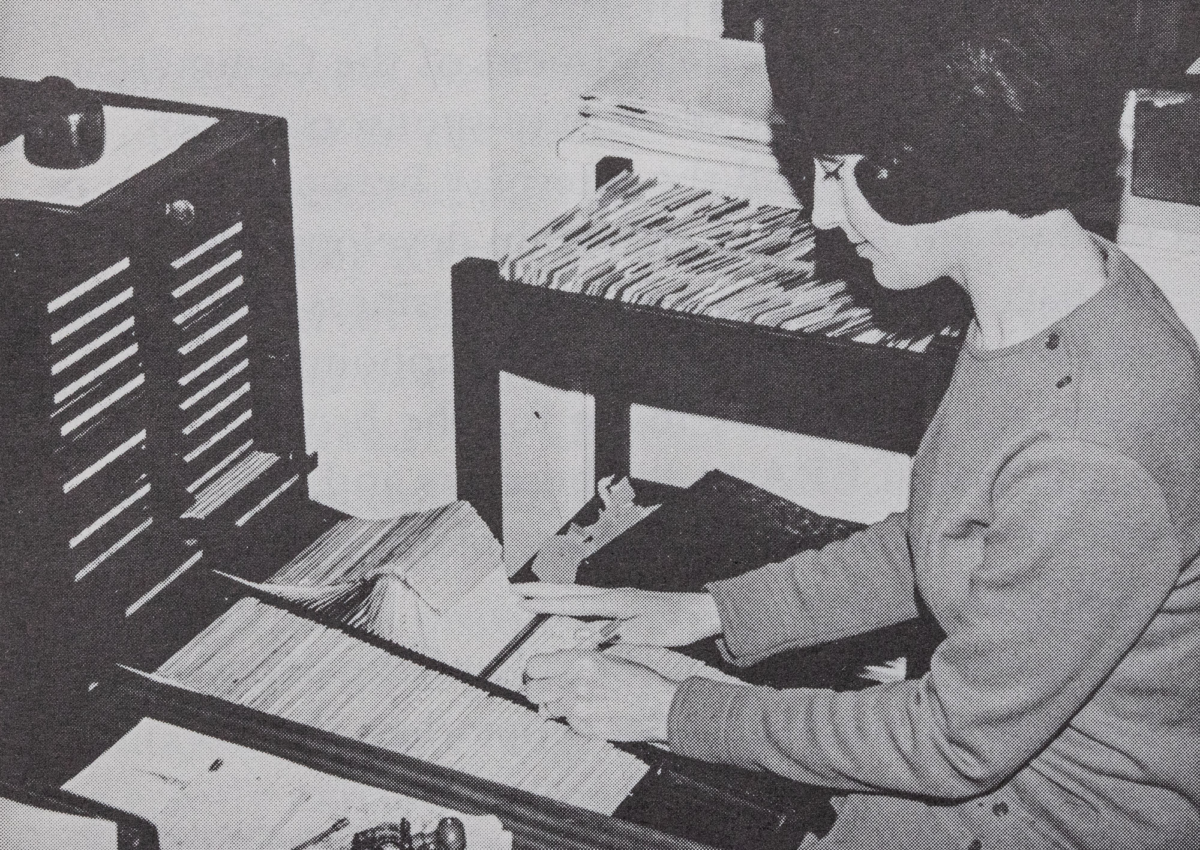
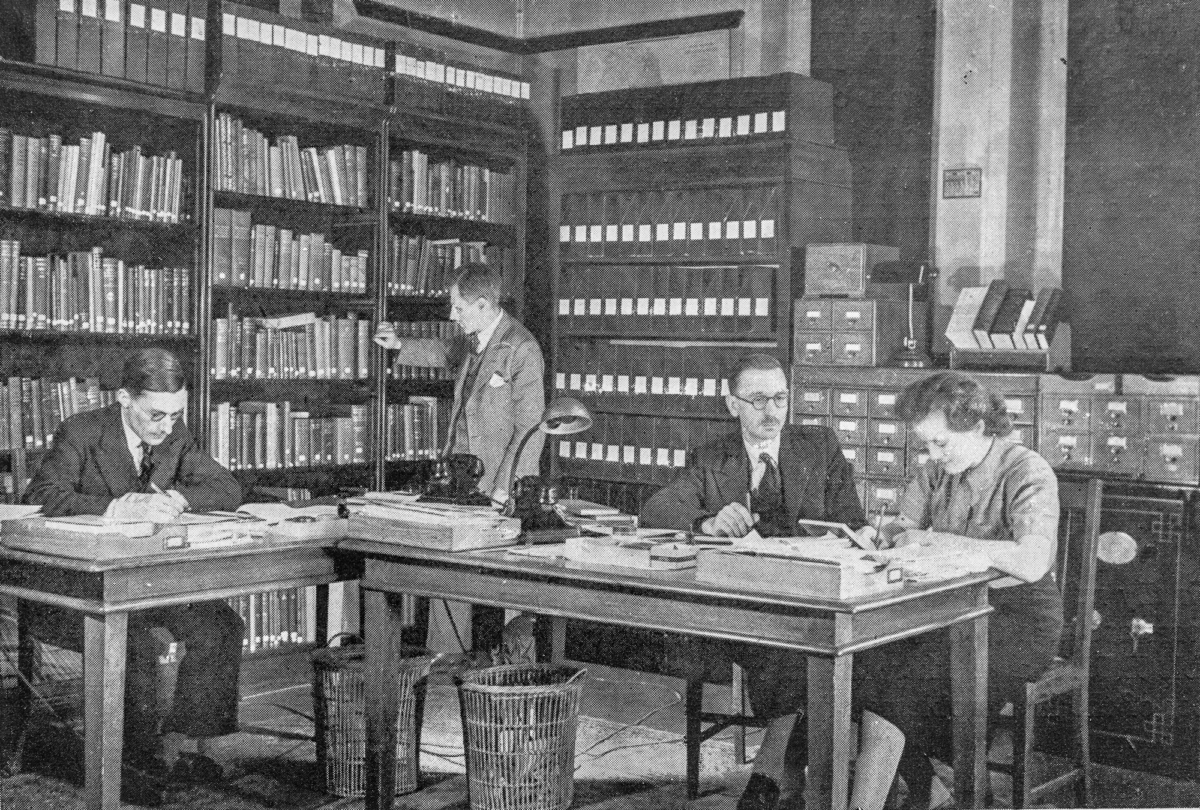
The ERA Information Bureau functioned as a clearing house for published information on technical and scientific research.

Up to date records were maintained in a comprehensive card index that covered extensive data available in the Associations technical reports.

mg-2442-2
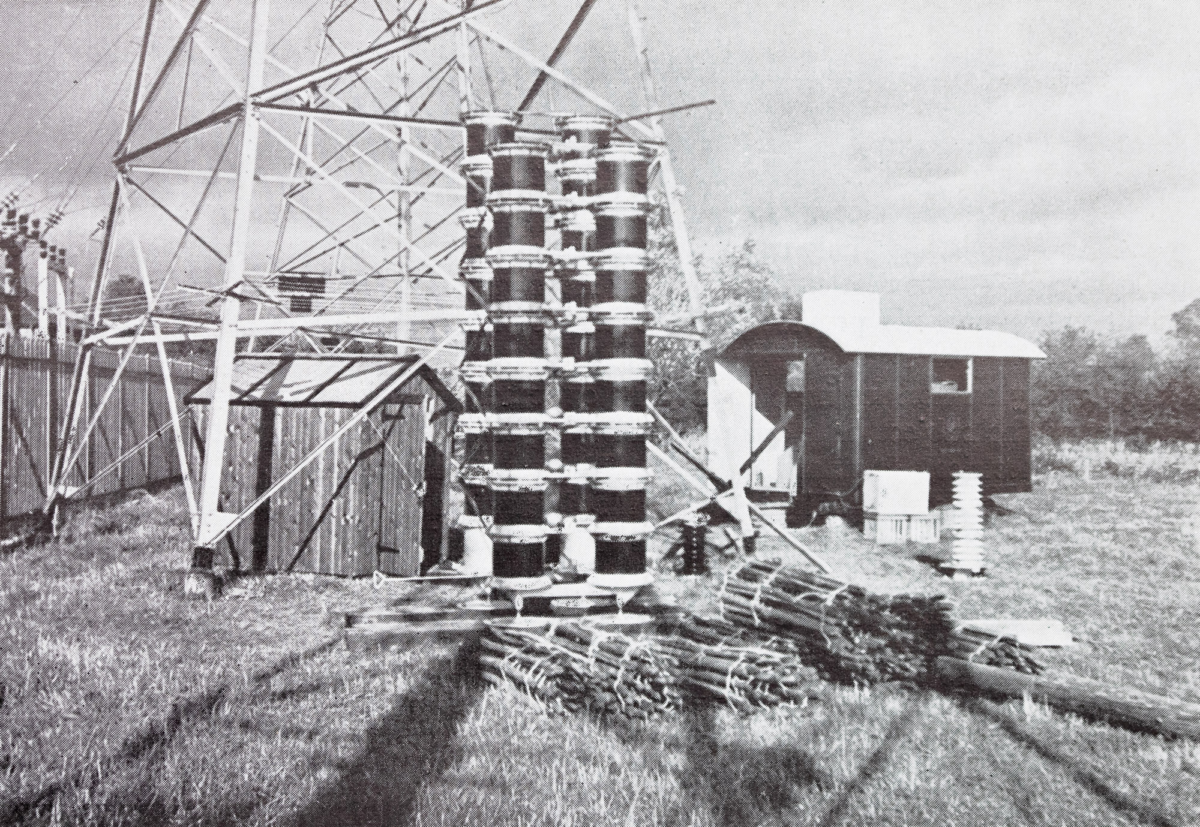
An early Transportable Surge Generator
1928
perivale-middlesex-era
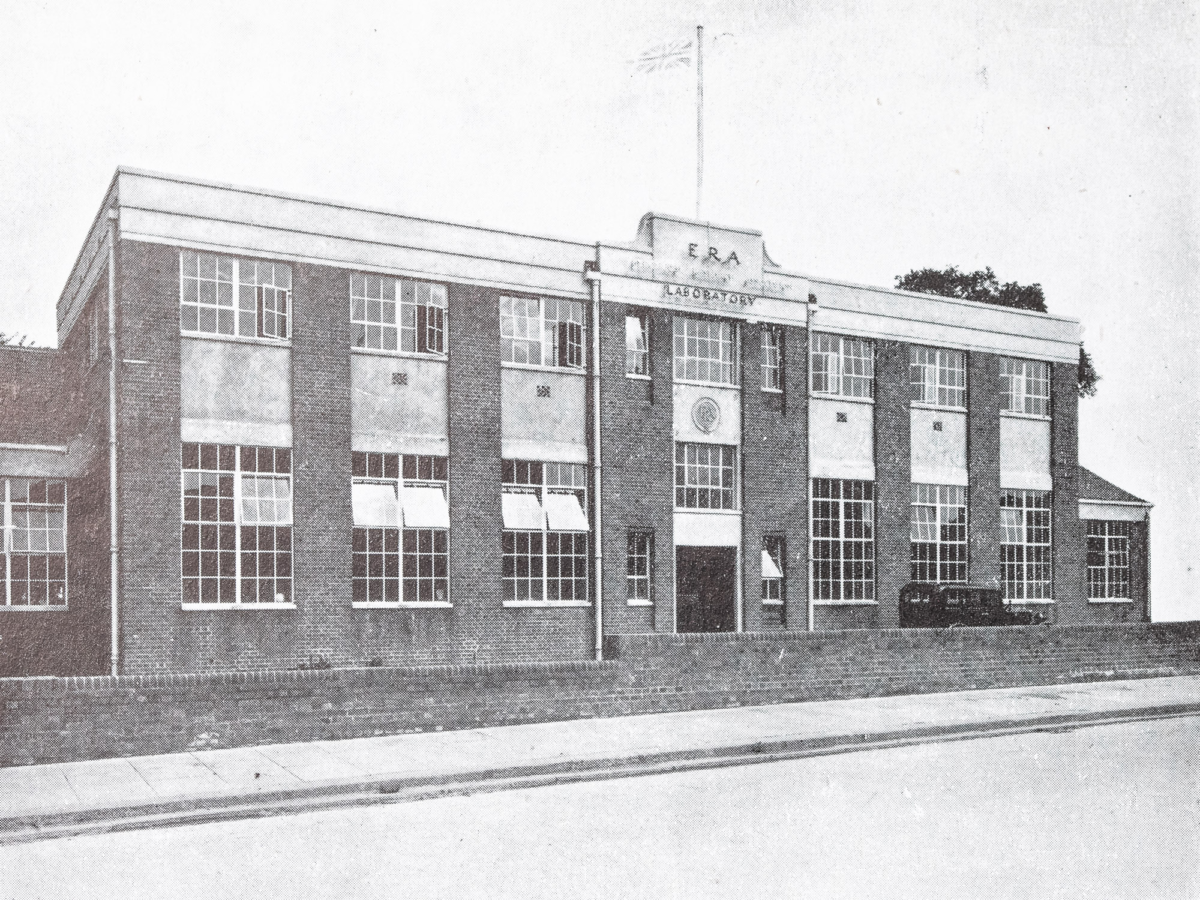
The Auxiliary laboratory at Perivale supplemented the research services that the Association provided from its headquarters
1920 – 1944
wedmore-scaled
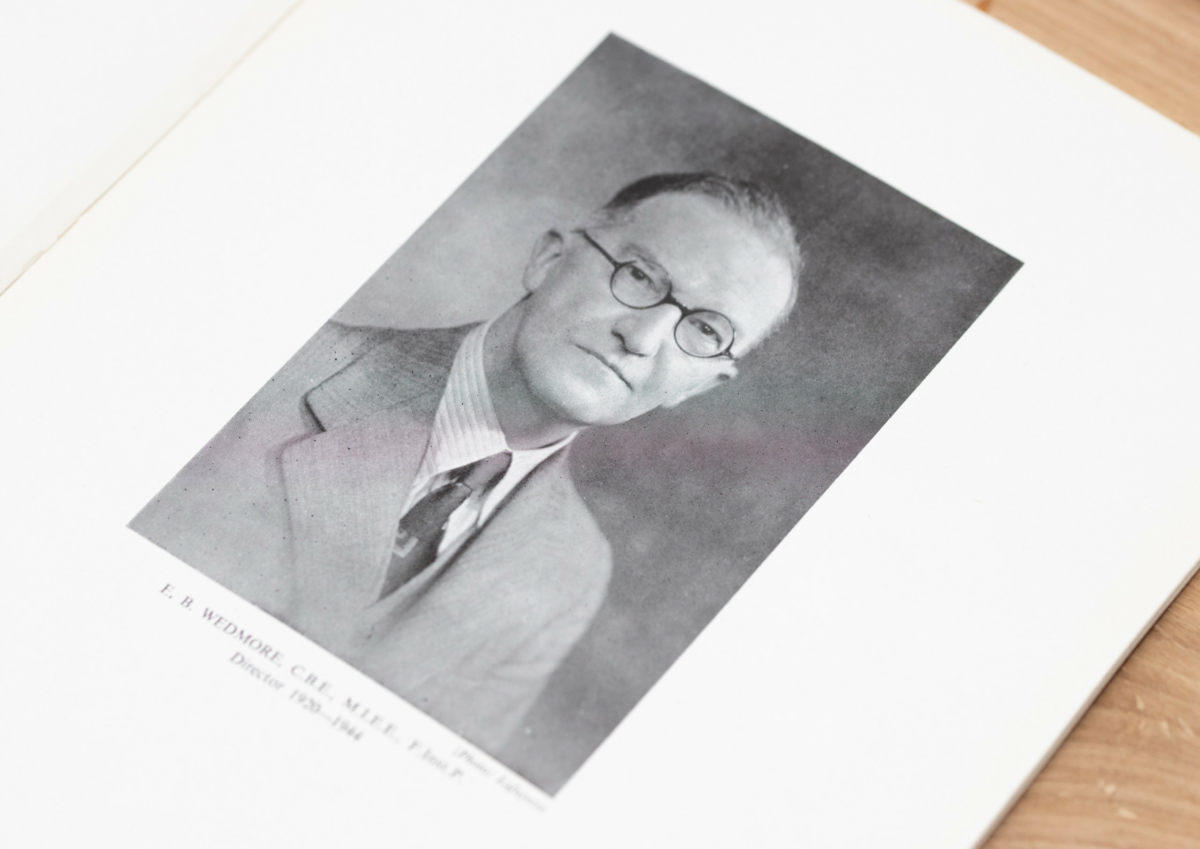
ERA Director E.B Wedmore
1939-1945

War Service

During the Second World War, the ERA was classified as an essential undertaking by the Ministry of Labour.

Staff contributed directly to the war effort by developing radar systems and mine-detection equipment that played crucial roles in the Allied victory.

1956
computer
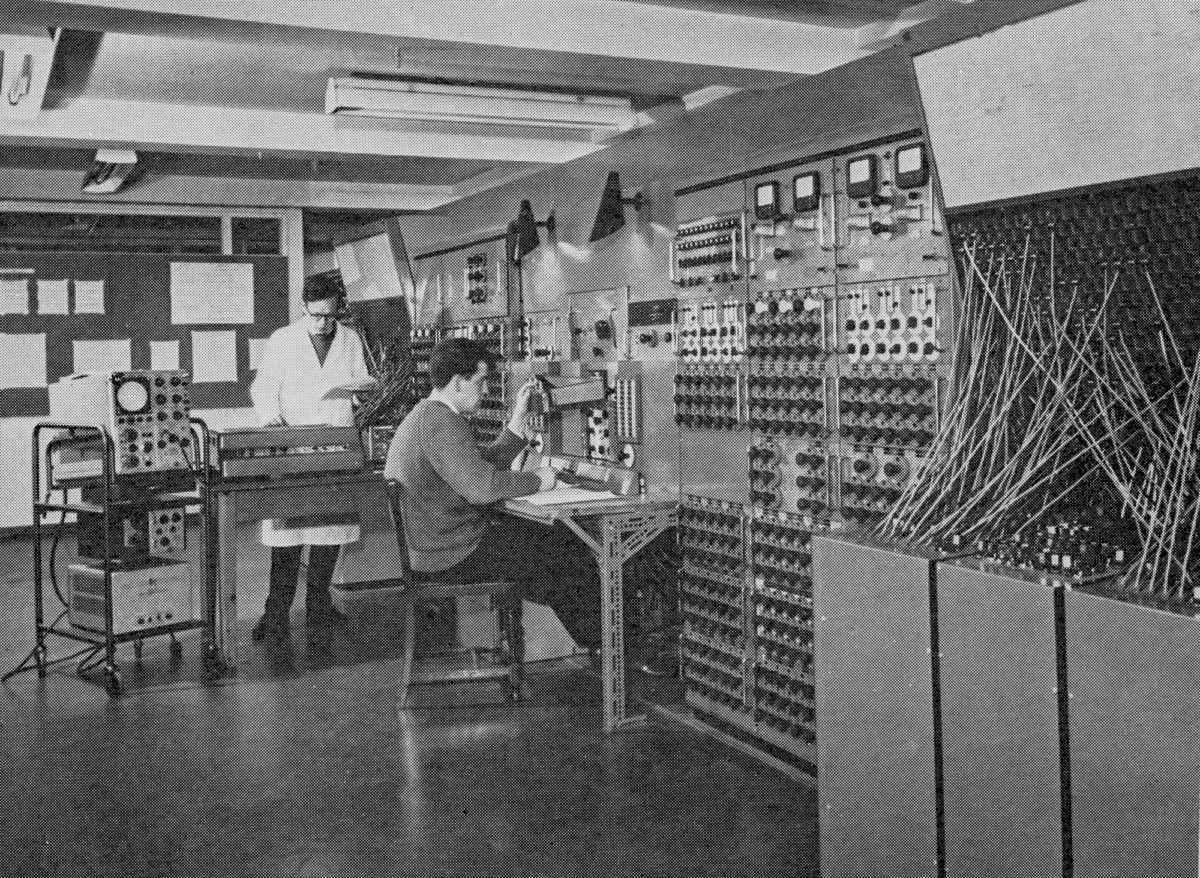
Part of the ERA integrated computer
1969
mg-2436-2

Leatherhead

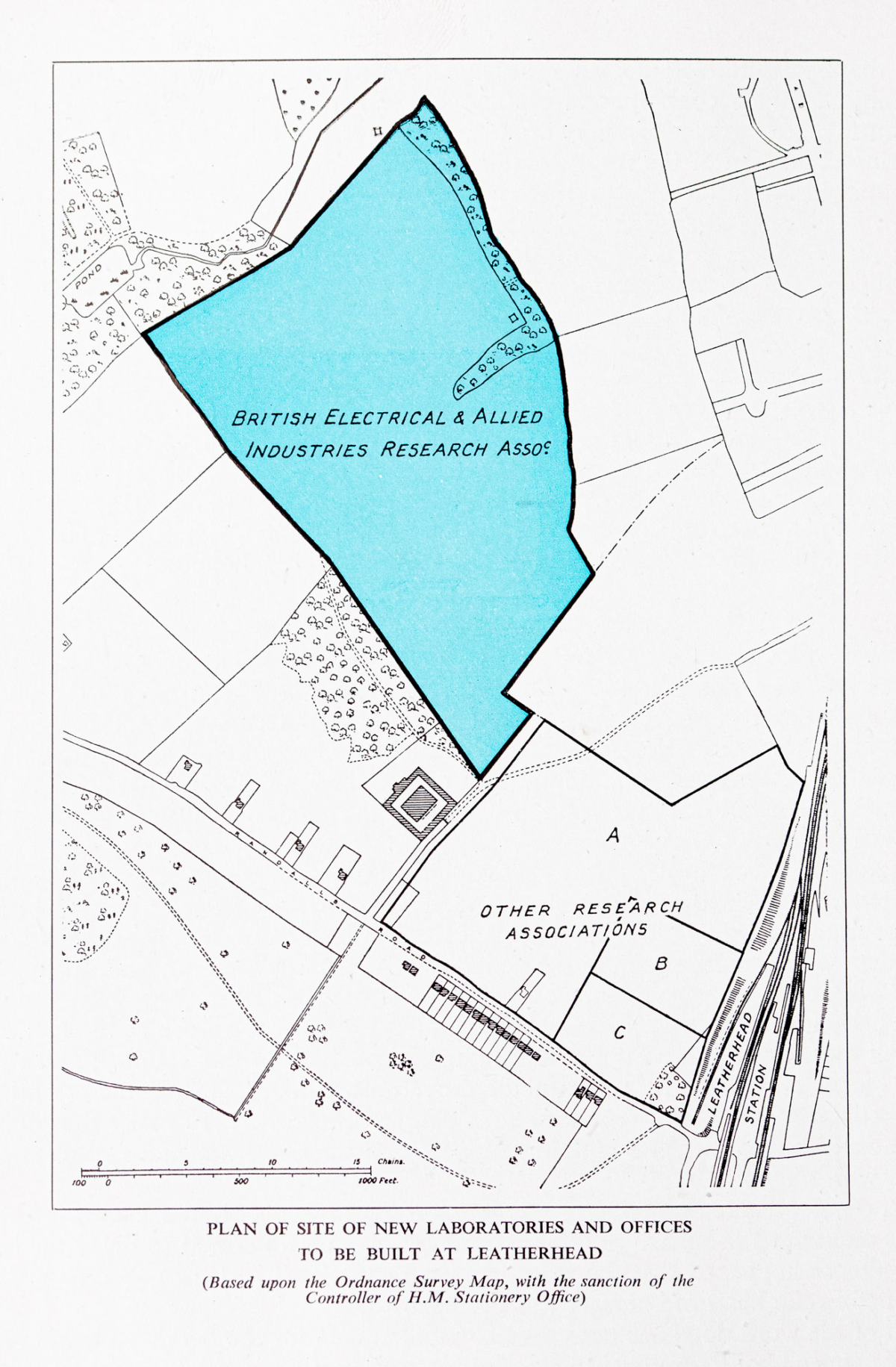
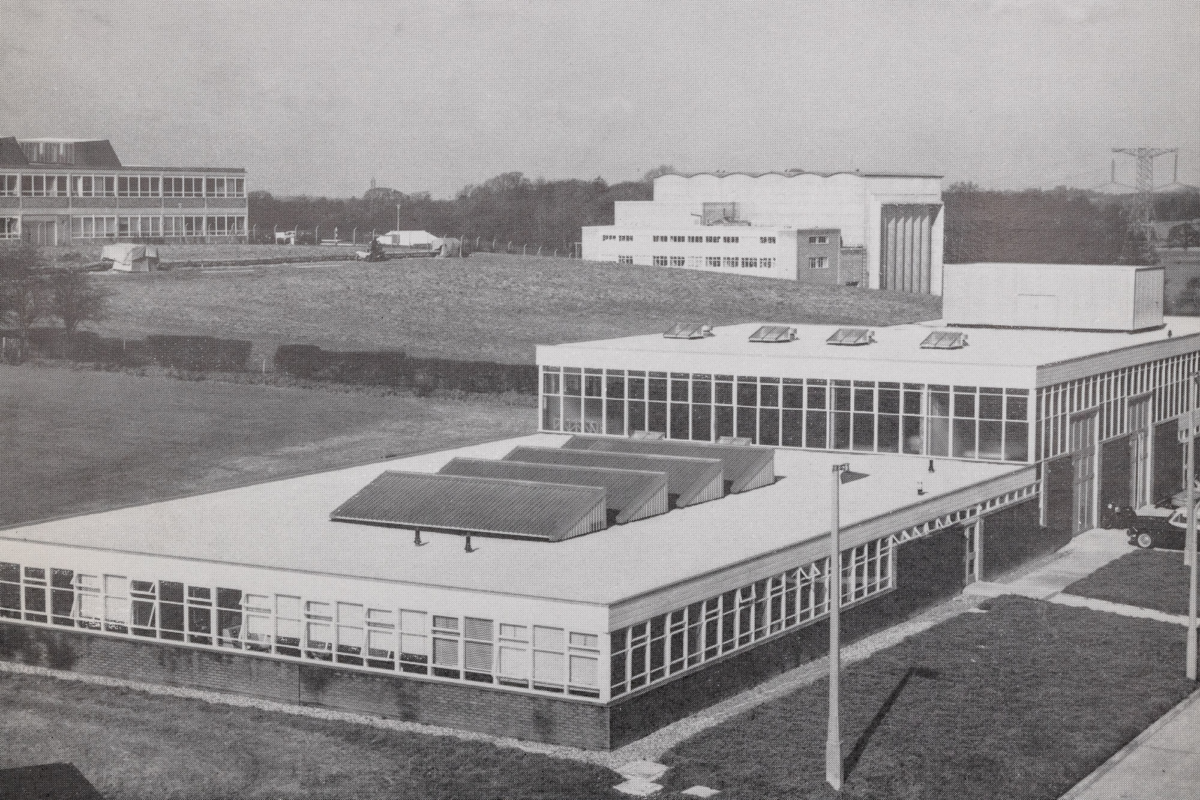
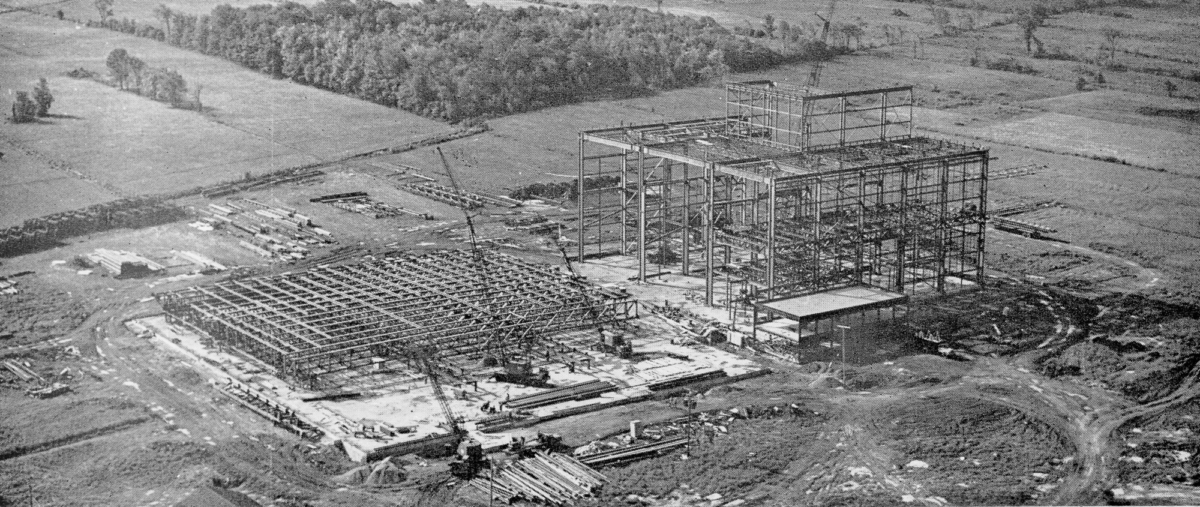
The ERA’s headquarters moved to a purpose-built 18-acre campus in Leatherhead, Surrey. The new facilities enabled expanded research capabilities and established a base that would serve the organisation for decades.

mg-2493
Switch Gear Laboratories
1970
mg-2532
High Voltage Laboratory 1970
1970

Privatisation Pioneer

The ERA became the first privatised research association, moving away from dependence on Government grants and member subscriptions to generate income through commercial contracts. This transformation reflected the changing technology landscape and positioned the organisation for continued relevance.

1978
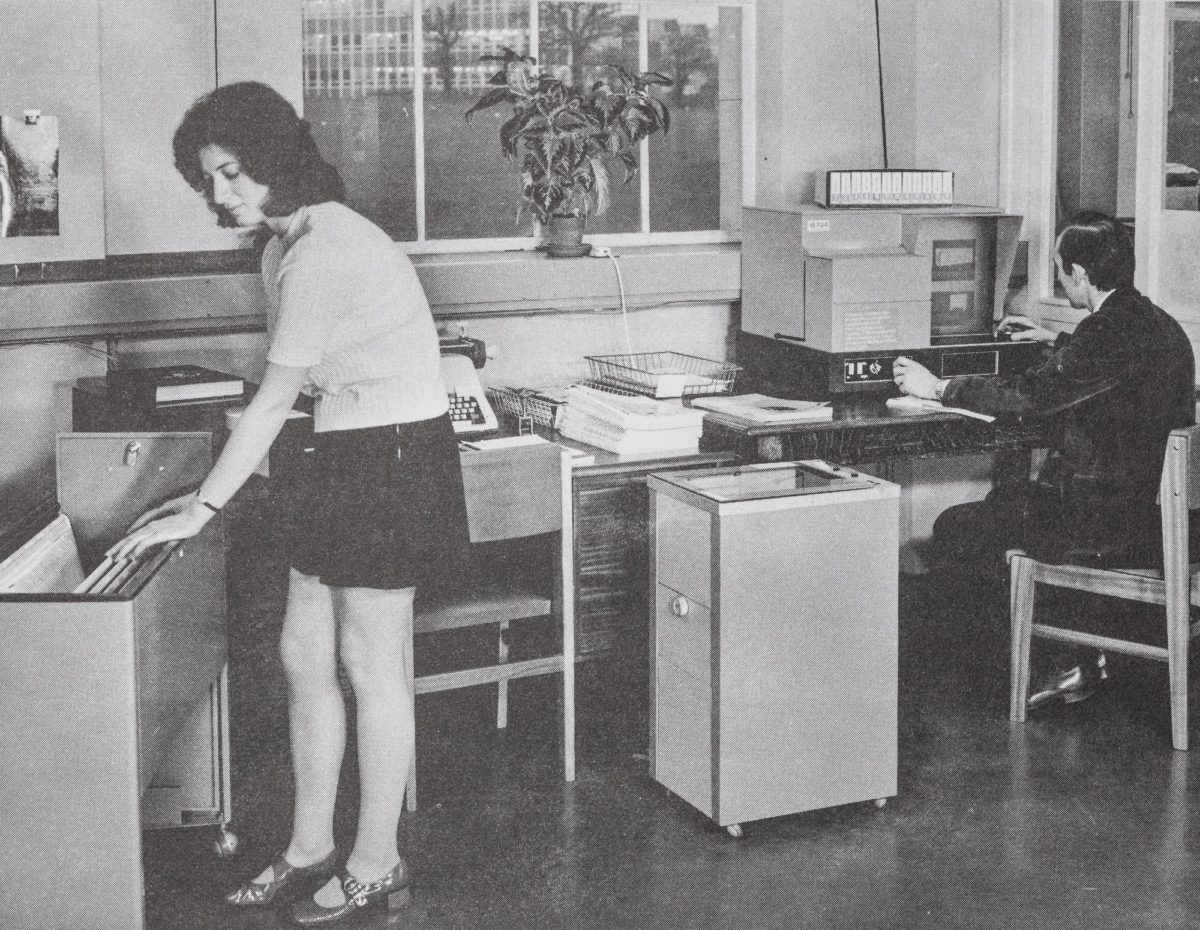
mg-2544
An assistant records loans from the ERA Library
1979
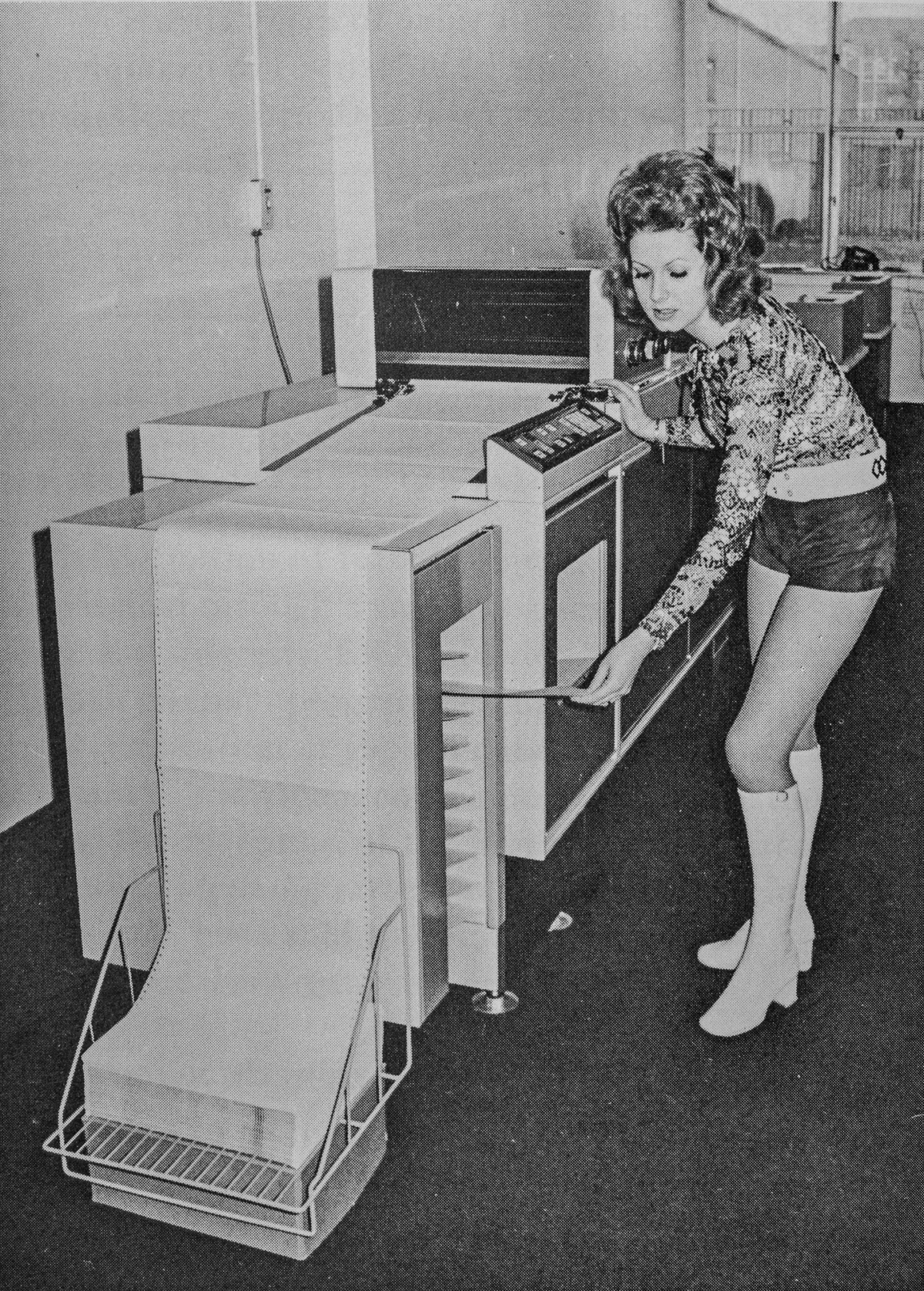
mg-2539

Gone is the index library.

Replaced by cutting edge technology like the new Electra computer form printer.

The single part computer printout produces multiple collated copies as required. Easily filed in a standard file or bound in book form.

1981
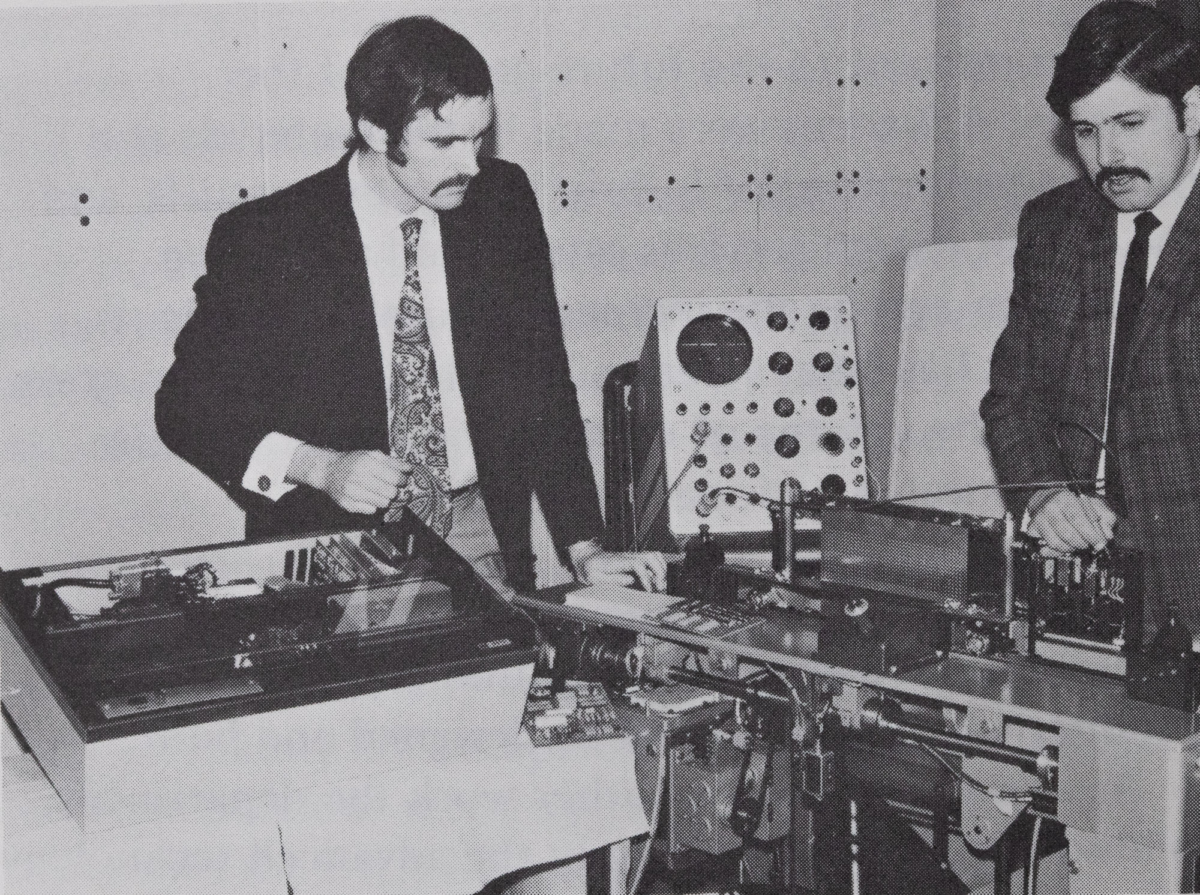
mg-2541
ERA Braille Transcriber

A team demonstrated a new special purpose card reader and Braille transcriber controller and interface

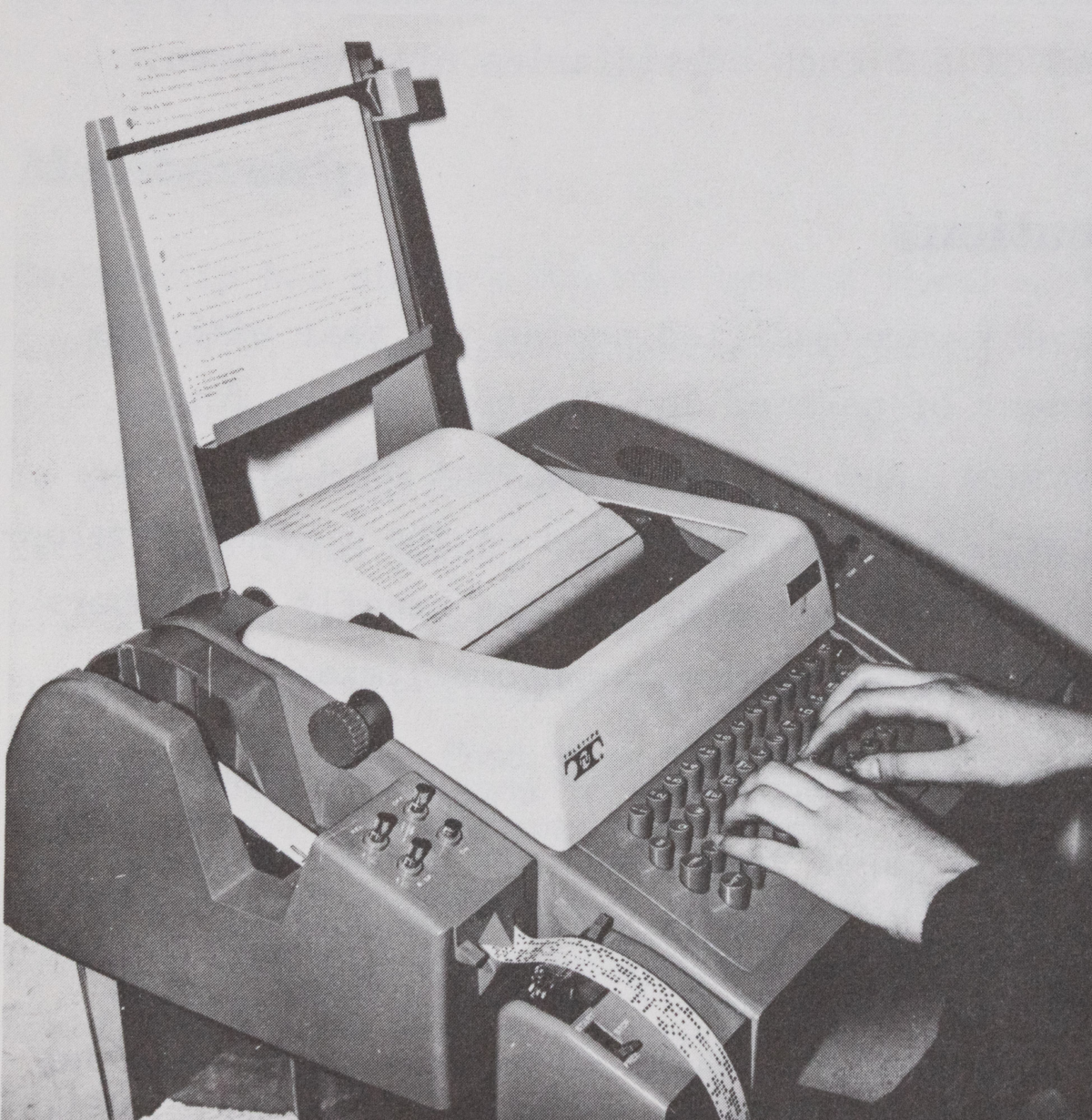
mg-2558

A new computer based information retrieval system is based on paper-tape punch. Developed for the commercial data market-analysis in 1971

1984
mg-2552
The Circuit Design Department

The ERA operated a information service on manufacturers products and appliances

2001

The ERA Foundation

The ERA’s commercial operations were transferred to a new trading company, while the original organisation was renamed the ERA Foundation. This separation allowed the Foundation to focus entirely on its charitable mission of supporting UK engineering.

2003-2005

Establishing the Endowment

The sale of ERA Technology to Cobham PLC, together with the disposal of property assets, created the Foundation’s endowment. Significant donations were made to the Royal Academy of Engineering (£8 million) and the Royal Commission for the Exhibition of 1851 (£2 million), establishing the fellowship programmes that continue to this day.

02-royal-academy-of-engineering

The ERA Foundation helped support the creation of the Royal Academy of Engineering’s Enterprise Hub. In Acknowledgment of the support received the Hub created the ERA Enterprise Fellowships.

2016

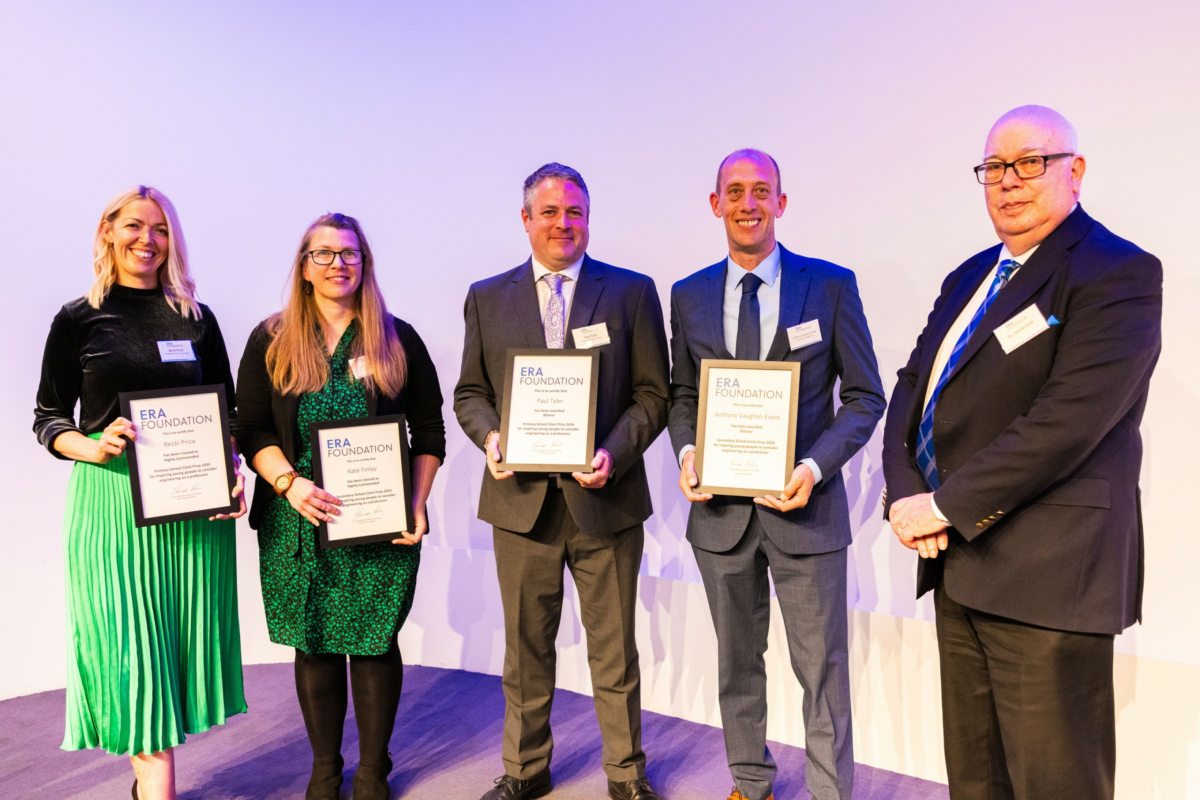
Launch of The David Clark Prize

clark-prize-2024-scaled-1.jpg

The David Clark Prize was launched as a new annual award recognising teachers in primary schools, secondary schools, and colleges who went beyond the syllabus to bring real-world engineering to life for students. A single winner received £2,000 personally, a further £3,000 for their school to promote engineering, and a fellowship of the ERA Foundation, selected against criteria covering vision, creativity, and demonstrable impact on young people.

2025

25 Years of Impact

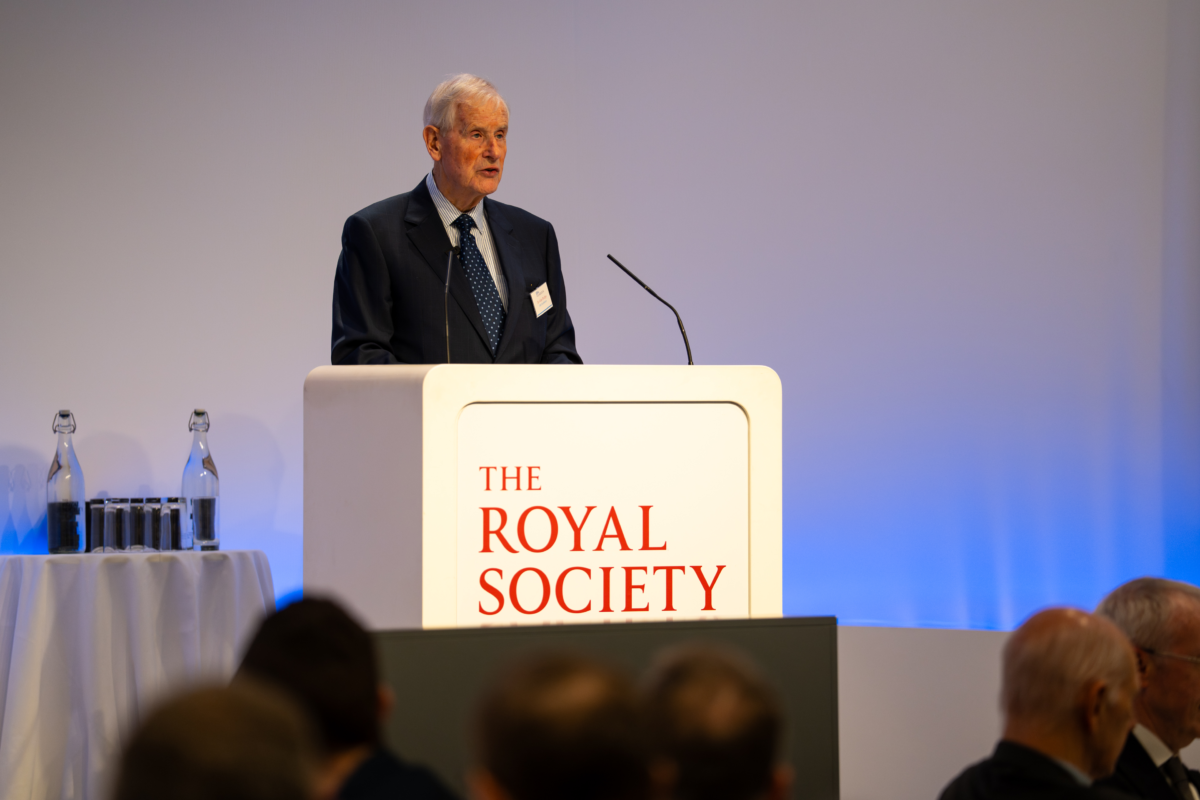
ERA 25th - Sir Alan Rudge CBE Our mission is to do good for engineering We have served this mission for 25 years

In September 2025, the Foundation celebrated 25 years since its establishment with a dinner bringing together 130 guests, including fellows, partners, and supporters. The anniversary marked a quarter-century of inspiring young engineers, influencing policy, and providing direct support for engineering excellence.

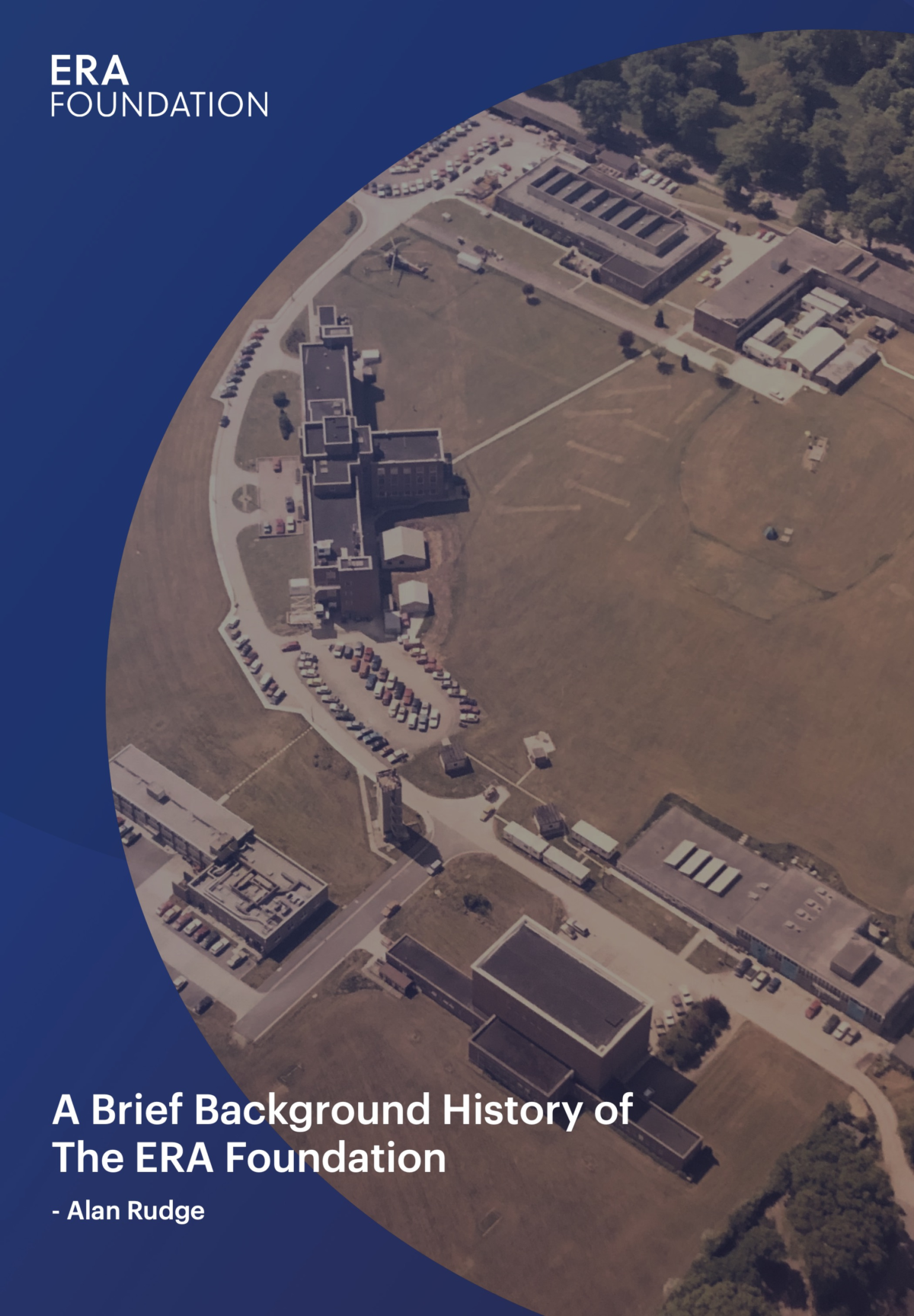
Written by Sir Alan Rudge

A Brief Background
History of The ERA Foundation

A first-hand account of how the ERA Foundation came to be.

The Foundation traces its roots to 1920, when the British Electrical and Allied Industries Research Association was incorporated to strengthen research across the UK’s electrical sector. Soon shortened to simply “the ERA”, it spent the following decades at the forefront of electrical research, from wartime work degaussing ships against magnetic mines to pioneering studies in electromagnetic compatibility.

It is written by Sir Alan Rudge, President of the Foundation, whose involvement across the ERA, ERA Technology and the Foundation spans more than four decades. Drawing on that experience, he offers a candid and personal account of the decisions and milestones that shaped the organisation we are today.

In this short account sets out the full arc of that story: the ERA’s cooperative research years at Leatherhead, its bold reinvention as the independent ERA Technology Ltd, and the eventual founding of the ERA Foundation. Drawing on more than four decades of personal involvement, he gives a candid view of the decisions, setbacks and successes that shaped the organisation we are today.
Send our history straight to your inbox

The Next Chapter

While our objectives have remained consistent for over a century, we continually assess how best to achieve them as the economic and technological landscape evolves. We are focusing our efforts on coordinating action between skills partners at the regional level, supporting policy initiatives for high-value manufacturing, and encouraging SMEs to engage with the opportunities presented by the digital economy.

We will continue to support our fellowship programmes with the Royal Commission of 1851, the Royal Academy of Engineering, and the Royal Society. Under the Born to Engineer brand, we will sponsor awards and programmes that recognise outstanding pupils and teachers. And we will continue to work with organisations that share our principles, ensuring that our partners have a significant stake in what we do and how we do it.